Quick question (based on research):
What percentage of individuals with autism do you think achieve full independence in adulthood?
A. 10–20%
B. 20–30%
C. 30–40%
D. Over 50%
Drop your guess below ⬇️
According to research, outcomes for individuals with autism tend to follow a few common long-term paths.
And while every child is different, the literature consistently points to several broad outcome patterns.
—
Studies on adult outcomes in autism (e.g., Patricia Howlin and colleagues) describe four general trajectories:
- Independent or near-independent living
- Supported independence (structured work/living support)
- Lifelong dependence within the family
- Residential or high-support care
These are not labels.
They are outcome patterns observed across decades of research.
—
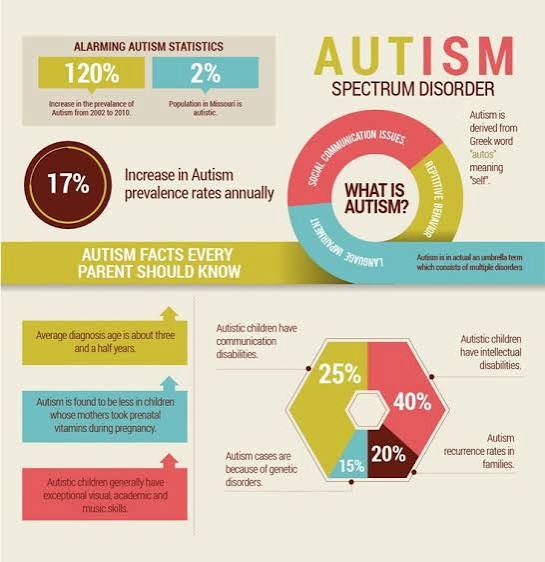
A systematic review by Patricia Howlin (2004, 2012) and follow-up longitudinal studies found that a significant proportion of individuals with autism continue to require substantial support into adulthood, while a smaller percentage achieve full independence.
—
So what influences where a child ends up?
Research consistently points to:
- Early intervention
- Intensity of services
- Consistency of treatment
- Family involvement
—
This is why so many families are urgently searching for:
- ABA therapy
- No waitlist providers
- Immediate evaluations
Especially in areas like Queens, Brooklyn, and Nassau County where access can be delayed.
Because time is not neutral in development.
—
Applied Behavior Analysis (ABA) remains the most extensively studied and widely implemented intervention for autism, with decades of research supporting improvements in communication, adaptive skills, and behavior.
—
The conversation shouldn’t be about dismissing interventions.
It should be about improving access, quality, and delivery of the interventions that have the strongest body of evidence behind them.
—
If you’re a parent navigating this right now:
The most important step is not having every answer.
It’s starting early, with the right support.
—
If you’re in Queens, Brooklyn, or Nassau County and trying to access services, I’m always open to pointing you in the right direction.
Www.path2potential.org